
Jamaica’s Doctor Bird: A Spotting Guide for Your Negril Holiday
Meet Jamaica’s doctor bird and learn what to look for, how to watch respectfully and what to ask a local guide when planning a nature morning from Negril.
The doctor bird is Jamaica’s national bird, a hummingbird you can look out for between beach days and planned excursions. You may know its long-tailed silhouette from a picture or a souvenir. Seeing one pause at a flower gives you a different introduction to the island.
For a holiday based in Negril, start by asking about the birds around your accommodation. A garden can give you somewhere to sit quietly and watch. If seeing a doctor bird is a priority, a local birding guide can help you choose a place based on recent sightings and current access.
What does a doctor bird look like?
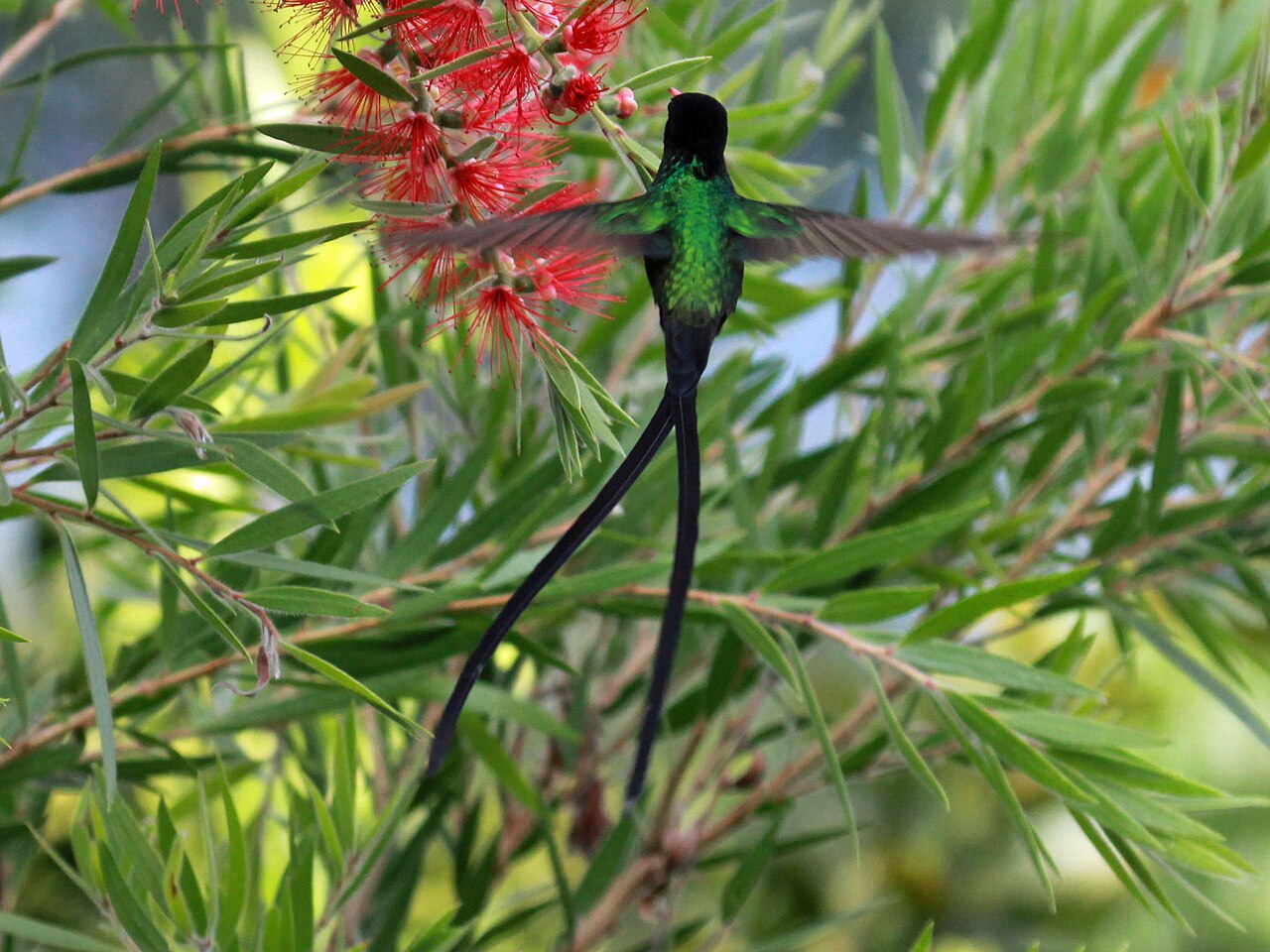
The Jamaica Information Service identifies the doctor bird as Trochilus polytmus, also known as the swallow-tail hummingbird. The Jamaica Tourist Board calls it the red-billed streamertail and points to its iridescent plumage and long tail streamers.
The adult male’s trailing tail feathers are the feature many visitors recognise first. Use the cover photograph as a starting point, then look at the bill and body as well as the tail. If the bird moves before you can get a clear view, make a note of what you saw and ask a guide to help. There is no need to identify every fleeting hummingbird on your first morning.
Start with a quiet garden
The Jamaica Tourist Board’s wildlife guide suggests gardens and forested areas for watching red-billed streamertails. Ask your host or the gardener where they have seen hummingbirds recently and whether there is a place you can sit without obstructing a path.
Give yourself a small, unhurried window before filling the day with activities. Watch a patch of flowering plants from a comfortable distance and let the birds come into view. Binoculars can help you study details while staying back. A phone photograph is a bonus; spending the whole visit trying to frame one can make it easy to miss what is happening around you.
Ask a guide about sightings and access
If you want to make an outing of it, tell the guide you are staying in Negril and ask which places they recommend for your dates. Confirm how much walking is involved, the pickup point, the expected duration and what the fee includes. Explain whether you want a short introduction or a morning devoted to finding several species.
A photograph from an attraction is useful inspiration, but ask for a current account of the site and its access before travelling. Recent sightings can help you choose where to go, while wildlife remains free to come and go. Our guide to a quiet nature morning in Jamaica offers more ways to plan a gentle outing.
Watch in a way that gives the bird space
Keep your movements calm, stay on the route your guide or host recommends and leave nests and vegetation undisturbed. Avoid chasing a bird for a closer photograph or playing recorded calls to bring it toward you. Ask before approaching any feeding setup, and follow the site’s instructions.
You can make birdwatching one small part of a relaxed Negril itinerary. Leave time afterwards for breakfast and ask someone about what you saw. Learning the name of a bird that visits a garden can give a familiar place a new detail to notice the next day.
Cover photo: male red-billed streamertail at Lime Tree Farm, Jamaica, photographed November 5, 2011. Photo by DickDaniels, CC BY-SA 3.0. Resized for display.