
Jamaican Sorrel: Fresh, Dried or Bottled? What to Ask Before You Buy
Buying Jamaican sorrel for the holidays? Compare fresh calyces, dried sorrel and bottled drinks, with useful questions about preparation, ingredients and storage.
Buying Jamaican sorrel starts with a simple question: do you want to make the drink, or pour a glass? Fresh sorrel and dried sorrel are ingredients. A bottled drink is ready to serve, while a concentrate may need diluting. Knowing which one you’re buying makes it easier to compare prices and bring home something you’ll use.
The National Library of Jamaica’s Christmas exhibition describes sorrel’s place at the holiday table and preparations flavoured with ginger, cloves, rum or brandy. Recipes differ between households and makers. Ask what is in the particular batch you’re being offered, especially if you’re buying a drink for other people.
Fresh sorrel is an ingredient for making the drink
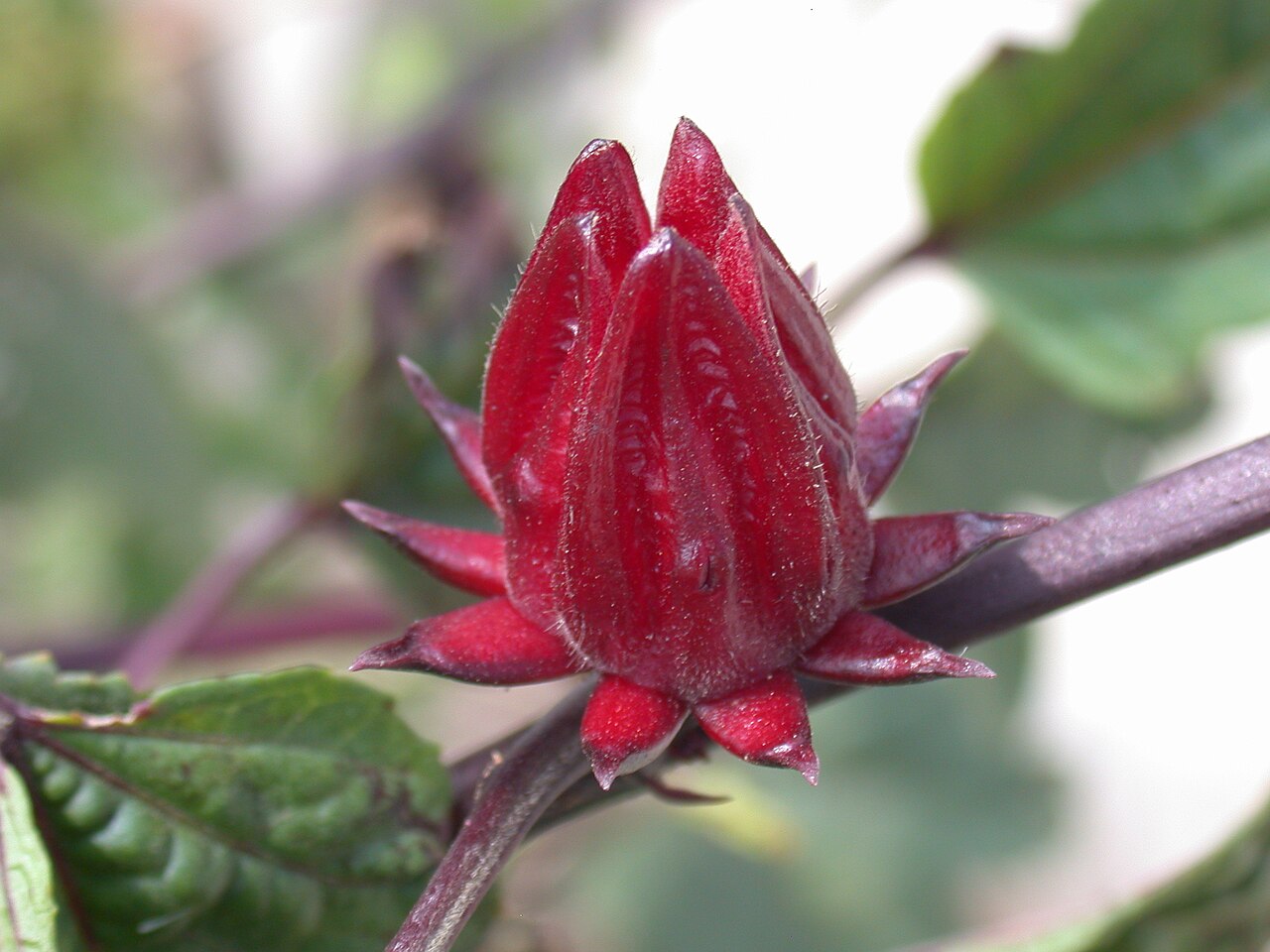
The red fleshy parts used for sorrel are the calyces of Hibiscus sabdariffa. If you’re buying them fresh at a market, ask whether they have already been separated from the seed capsules. That tells you how much preparation is left before you begin.
Explain how you plan to use them and ask how much the vendor recommends for your recipe. Confirm the unit being sold—bag, pound or kilogram—before comparing stalls. A large bag and a small bag may have been packed differently, so appearance alone is a poor guide to value.
Fresh sorrel makes sense if you have kitchen space and want to prepare a batch during your stay. Before buying, check that your accommodation has a suitable pot, a strainer, bottles or a jug, and refrigerator space. Ask the seller about handling and storage, and buy an amount that fits the time you have.
Dried sorrel suits a different kind of shopping trip
A packet of dried sorrel can be convenient when you want to make the drink later. Read the label to see whether it contains only sorrel or a mixture with spices and other ingredients. Follow the packet or recipe instructions for that product instead of swapping fresh and dried quantities by eye.
Ask where it was grown or processed if buying Jamaican produce matters to you. A familiar Jamaican drink name does not tell you the origin of every ingredient. For a gift, keep the original packaging and check your destination’s rules for bringing in plant products before you purchase it.
For bottled sorrel, check sweetness and alcohol
Ask whether the bottle contains a finished drink, a syrup or a concentrate. If it needs diluting, check the suggested proportions. Look for ingredients, storage directions and the date information provided by the maker. For an unlabelled homemade batch, ask those questions directly and decide whether the answers suit your plans.
Check alcohol content explicitly. Rum or brandy is part of some recipes. If you want a drink made without alcohol, say so when ordering and ask the maker to confirm. Our guide to drinks in Jamaica when you’re skipping alcohol offers more questions to ask at the counter.
Sweetness and ginger intensity also vary. If a seller offers a sample, taste before buying several bottles. A smaller bottle can be the better first purchase when you are trying a new maker.
Buy for the occasion you have planned
For a Negril holiday meal, ready-to-drink sorrel may be the easiest choice. For a villa afternoon spent cooking, fresh sorrel gives you something to prepare together. For a gift, a clearly labelled product makes it easier for the recipient to understand what they have and how to use it.
Buy close to when you need it, follow the maker’s storage instructions, and arrange transport with the purchase in mind. If you’re planning a larger holiday meal, our Christmas in Jamaica guide puts the drink alongside other seasonal traditions. Start with a bottle or a small batch, ask about the recipe, and let the conversation be part of the experience.
Cover photo shows Hibiscus sabdariffa calyces at the World Vegetable Center in Taiwan. Photo by Earl Benton, CC BY-SA 4.0. Resized for display.